
Self-ligating braces: a technique chosen for your diagnosis.
In a self-ligating system, the bracket's own mechanism holds the orthodontic archwire without the elastic ties used in conventional systems.
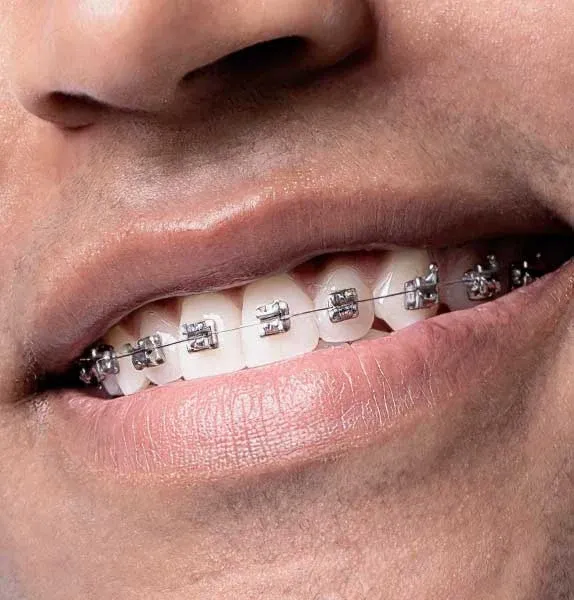
A clinical decision, not a catalog.
Bracket type is one of several treatment decisions. The full approach depends on diagnosis, clinical goals, and each patient's individual response.
The recommendation, treatment steps, and estimated duration can be confirmed only after an individual assessment.
Who may benefit.
- Orthodontic cases in which the specialist considers the system appropriate
- Patients who need fixed orthodontic treatment
- People who value a system without conventional elastic ties
What this approach offers.
A built-in mechanism to hold the archwire
No conventional elastic ties
Bracket choice defined by the treatment plan
Regular orthodontic follow-up
How treatment progresses.
Each stage supports the next decision.
- Document
Gather the clinical findings and exams needed for diagnosis.
- Decide
Select technique and appliance according to the case.
- Treat
Make adjustments and provide guidance as treatment progresses.
- Monitor
Observe the response and adjust the approach when needed.
Information that supports precision.
Digital records and imaging help clarify the case; self-ligating braces are recommended only when they fit the overall plan.
Explore Uniorto technologySpecialist-led care.
Dr. Alcides Gomes Júnior specialized in orthodontics at UNESP and holds a master's degree in temporomandibular disorders from UNIFESP. CRO/SP 42650.
Frequently asked questions.
Are self-ligating braces right for everyone?
They can be used in different situations, but the choice depends on diagnosis. No single appliance is ideal for every case.
Do they eliminate follow-up visits?
No. Regular visits remain essential to assess progress, make adjustments, and guide care.
How do they differ from conventional braces?
The most visible difference is the bracket mechanism, which holds the archwire without elastic ties. Other differences should be explained in the context of your case.
Good care begins with a conversation.
Tell us briefly what you are looking for. The Uniorto team will contact you to explain the next step and arrange your consultation.